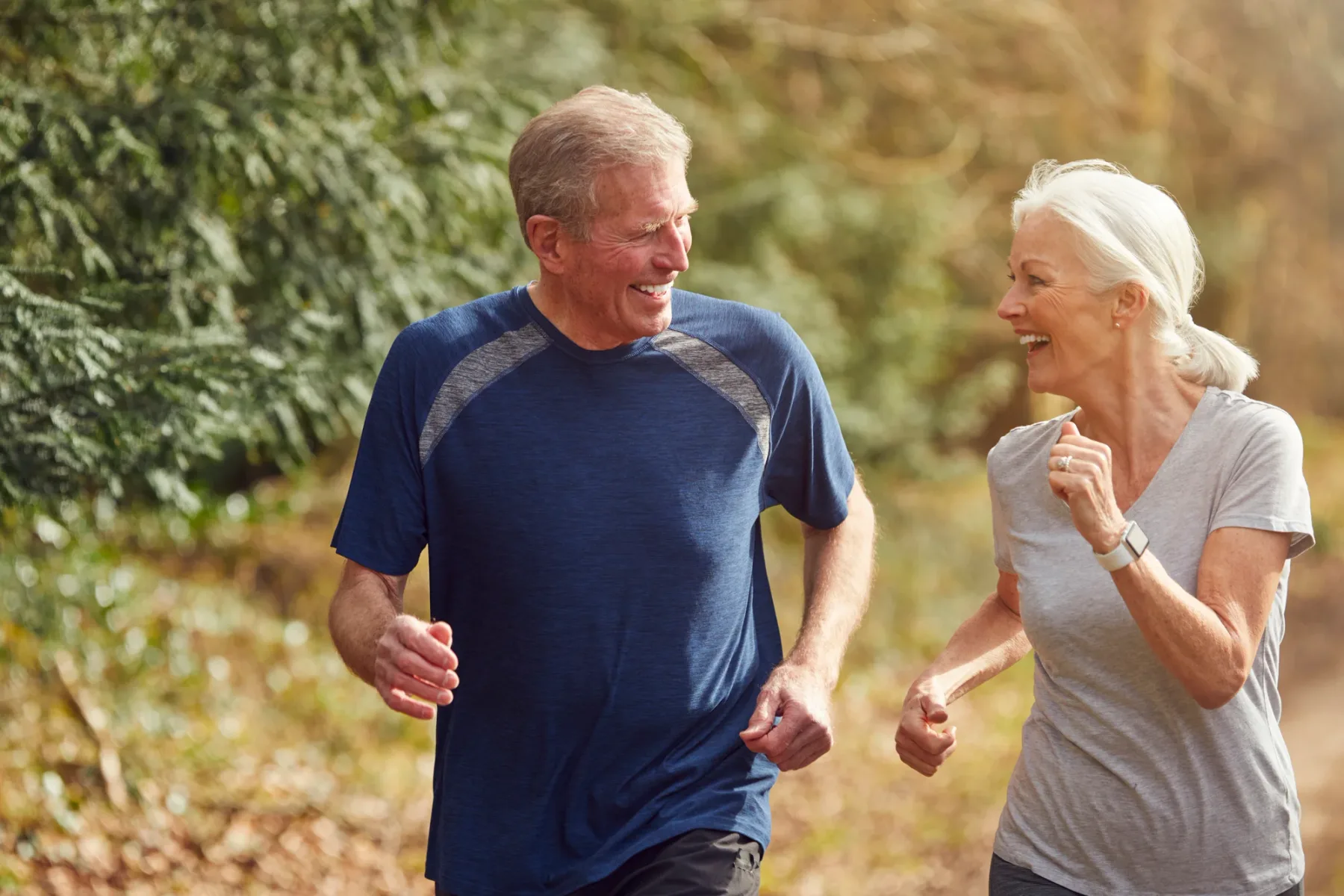
Why is physical activity important for older people?
As people age, physical activity often decreases due to numerous factors like illness, lack of motivation, or physical abilities. However, this reduction in physical activity can lead to further deterioration of health. Physical activity is crucial for seniors as it helps to maintain or improve overall health and wellness. For instance, regular exercise helps to control weight, reduce the risk of chronic diseases like heart disease and diabetes, and improve mental health and mood.
Moreover, regular physical activity can improve muscle strength and balance, reducing the risk of falls – a common issue with older adults. Exercise can also help improve mobility and flexibility, allowing the elderly to maintain independence for a longer duration. It also plays a significant role in managing and reducing symptoms of anxiety and depression.
Additionally, physical exercise can have cognitive benefits. Several studies reveal that exercise may delay or prevent cognitive decline associated with aging, including conditions like Alzheimer’s and dementia. Regular physical activity promotes blood flow to the brain, leading to better memory and cognitive functioning.
Importantly, physical activity isn’t all about structured or strenuous exercise. Even simple activities like walking, gardening, or housework can have significant health benefits if done regularly. The key is to make physical activity part of daily life.
There are also social benefits of physical activity, especially for older adults who may feel isolated. Participating in group activities or joining fitness classes can serve as an excellent way for seniors to socialize and feel connected to their communities.
In conclusion, maintaining regular physical activity into old age is not just beneficial but crucial for overall health and well-being. However, it’s essential to remember that individuals should always consult with healthcare professionals before starting or changing an exercise regime to ensure that activities are safe and suitable for their health conditions.
What types of exercises are most beneficial for the elderly?
Different types of exercises serve various purposes and can be beneficial for elders depending on their health conditions, abilities, and interests. Here are a few types of exercises that are often recommended for older adults:
*Aerobics:* This exercise type improves cardiovascular health, helping to control weight and enhancing overall endurance. Activities like walking, cycling, swimming, or low-impact aerobics classes are excellent choices.
*Strength training:* Strength training exercises help to maintain muscle mass, which often decreases with age. Resistance exercises involving weights or body resistance, like squats, lunges, or arm curls, are effective.
*Flexibility exercises:* As we age, our joints become less flexible. Flexibility exercises like stretching or yoga can help improve range of motion, ensuring better mobility and reducing the risk of injury.
*Balance exercises:* Poor balance can result in falls, leading to serious injuries. Balance exercises like tai chi or exercises using balance balls can help improve balance and coordination.
The key to determining the most beneficial exercises for older individuals is assessing their overall health, physical condition, and personal preference. Always ensure older adults consult healthcare professionals, like physiotherapists or personal trainers specializing in seniors fitness, before starting a new exercise routine to avoid injury or strain.
How often should older individuals exercise?
While the frequency of exercise will depend on the individual’s health status and capabilities, general guidelines suggest that older adults should aim for at least 150 minutes of moderate-intensity physical activity every week. This could be broken down into 30-minute exercise sessions five days a week.
Strength training exercises are recommended at least twice a week to improve muscle mass and strength. Balance and flexibility exercises should also be included routinely in an older adult’s workout regime.
However, the most important factor to consider is maintaining regular activity. Ideally, some form of physical activity should be a part of the older individual’s everyday routine. This might mean choosing activities that are enjoyable or easy for the individual to do regularly.
As always, it is necessary to consult with a healthcare professional before starting a new exercise regimen. This consultation will ensure that the exercise plan is safe and suitable for the senior’s physical condition and health status.
What are the risks of physical inactivity in the elderly?
Physical inactivity in older adults can lead to numerous health issues. Firstly, it can lead to weight gain and obesity, which in turn increase the risk of diseases like diabetes, heart disease, or certain types of cancer. Lack of exercise can also result in muscle loss, reducing overall strength and endurance and increasing the risk of falls and injuries.
Physical inactivity can lead to a decline in mobility, flexibility, and balance, which can affect the individual’s ability to perform daily activities independently. This lack of independence can have psychological implications, leading to feelings of fear, depression, or anxiety.
Moreover, numerous studies have shown the correlation between physical inactivity and cognitive decline. Regular physical activity can help maintain healthy brain function, improve memory and cognition, and reduce the risk of developing neurodegenerative conditions like Alzheimer’s or dementia.
Finally, physical inactivity could lead to social isolation. Many forms of physical activity involve others, and staying home due to lack of mobility or health concerns can limit social interactions and contribute to feelings of loneliness or depression.
Therefore, promoting regular physical activity and reducing sedentary behaviors should be a priority when supporting healthy aging. All activities, including structured exercise programs, casual walking, or daily household chores, can contribute to maintaining overall health and wellbeing in older individuals.
Are there any precautions older individuals should take before starting a workout regime?
Indeed, older individuals should consider certain precautions before starting a new workout regime:
*Medical Clearance:* It’s essential to consult healthcare providers before beginning any new exercise routines. They can assess the individual’s overall health status, consider pre-existing conditions and provide advice on the most appropriate form of exercise.
*Start Slowly:* For those unaccustomed to regular exercise, it’s crucial to start slow and gradually increase intensity and duration. Jumping too quickly into intense workouts can result in injuries and discourage further participation in physical activity.
*Activity Selection:* The selected activities should match the individual’s physical abilities and be enjoyable to encourage regular participation. Dance, swimming, yoga, tai chi, or simple walking, can be great choices.
*Safety Measures:* Older individuals should always follow safety measures during exercise. These may include using appropriate gear, warming up before workouts, cooling down after, staying hydrated, and not pushing their limits too hard.
*Monitor Progress:* To observe the effectiveness of an exercise program, individuals should monitor their progress. This monitoring could involve tracking changes in cardiovascular fitness, strength, flexibility, or simply the impact on the person’s overall well-being.
In conclusion, while physical activity is essential for older adults, it’s crucial to approach it safely. With appropriate measures in place, older adults can enjoy the plethora of benefits exercise offers while minimizing the risk of injury or health complications.
How can physical activity improve mental well-being in older people?
Physical activity has numerous benefits for mental well-being in older adults. It can help manage and reduce symptoms of depression and anxiety by boosting mood and reducing stress. Exercise stimulates various brain chemicals like endorphins, often known as ‘feel-good’ chemicals, that can leave individuals feeling happier and more relaxed.
Exercise can also improve sleep, a common concern for older adults. Regular physical activity can help individuals fall asleep faster and enjoy deeper sleep. However, exercising close to bedtime can interfere with sleep, so it’s recommended to workout earlier in the day.
Additionally, exercise can contribute to improving self-confidence and self-esteem. Achieving exercise goals or seeing improvements in physical health can boost self-image and promote a positive outlook on life.
Regular physical activity can also serve as a natural and effective cognitive enhancer. It can aid in maintaining brain health, improving memory, attention, and cognitive functions. Some research shows that regular physical activity might even help delay or prevent the onset of neurodegenerative diseases like Alzheimer’s or dementia.
Finally, engaging in physical activity, especially group activities or community-based exercise programs, can provide valuable opportunities for social interaction. Regular social connections can help older adults feel more a part of their communities, reducing feelings of isolation or loneliness.
Therefore, regular physical activity can greatly contribute to improving mental well-being in older individuals, complimenting their overall health and quality of life.
Are age-specific fitness programs more effective for older individuals?
Age-specific fitness programs can indeed be more effective and beneficial for older adults. These programs are specially designed considering the physical abilities, health issues, and needs of older individuals, making them safer and more achievable.
Such programs often include well-rounded routines encompassing cardiovascular activities, strength training, and flexibility and balance exercises. These exercises target key areas crucial for older adults such as preserving strength, improving cardiovascular health, enhancing mobility, and preventing falls.
Age-specific fitness programs also ensure the appropriate intensity level for exercises. Unlike routines designed for younger individuals with more stamina, these programs understand the limitations and lower energy levels of older adults, providing a pace that is challenging but not exhausting.
Importantly, these programs come with professional supervision. Instructors trained in geriatric fitness understand the unique physical complexities and health issues common in older individuals. They can guide and modify exercises as per individual needs, reducing the risk of injuries.
Additionally, age-specific wellness programs often incorporate elements of mental wellness with physical exercises like yoga, tai chi, or mind-body fitness routines, understanding the correlation between physical and mental health.
Finally, age-specific fitness classes provide opportunities for social interaction. Being in a group with peers sharing similar experiences can increase motivation and passion for physical activity, and tackle feelings of isolation which are shared amongst many older adults.
While age-specific fitness programs can be highly beneficial, it’s important to have the individual’s healthcare provider involved in decision-making to ensure that the chosen program is suitable for their specific health conditions and abilities.
How can daily routines be modified to incorporate more physical activity for older individuals?
Incorporating physical activity into the daily routine can be achieved by making small, achievable changes to everyday activities:
*Walking More:* If possible, choose to walk instead of using the car for short distances. Consider going for a short walk after meals.
*Use The Stairs:* Instead of using an elevator, taking the stairs can be a good way to incorporate some exercise.
*Active Housework:* Though it might sound strange, housework can become a form of exercise. Activities like vacuuming, gardening, or even cleaning can help burn calories.
*Seated Exercises:* For individuals with mobility issues, exercises that can be done while seated like leg lifts, arm raises, or resistance exercises using bands can be beneficial.
*Standing Up More:* Stand while talking on the phone or during a portion of favorite TV shows. It might not feel much, but every little bit counts.
*Exercise While Watching TV:* Consider doing gentle exercises, like stretches or pedal exercises with a stationary bicycle, while watching TV.
*Active Hobbies:* Consider taking up hobbies that require physical activity. Dancing, swimming, bird-watching, or cycling can be great choices.
*Exercise Breaks:* Take short exercise breaks during the day for stretching or walking around the house.
Remember, the goal is not to make drastic or difficult changes but to incorporate more movement into the daily lives of older adults in a way that is enjoyable and sustainable.
Can regular physical activity delay or prevent diseases commonly associated with aging?
Numerous studies show that regular physical activity can indeed delay or prevent various diseases commonly associated with aging. Exercise has been proven to reduce the risk of chronic diseases like heart disease, diabetes, stroke, and certain types of cancer.
Regular physical activity can help control weight, reduce blood pressure, and improve overall cardiovascular health, all of which contribute to reducing the risk of heart disease. Exercise can also aid in managing blood sugar levels, helping to prevent or control diabetes.
Exercise, particularly weight-bearing and resistance exercises, can also improve bone health. This can delay or prevent osteoporosis, a condition causing bones to become weak and brittle.
There is also compelling evidence to suggest that regular physical activity can improve cognitive health. Exercise enhances blood flow to the brain, improving cognitive functions and potentially delaying or preventing dementia or Alzheimer’s disease.
Finally, exercise can play a role in improving digestive health, boosting immune functions, and even preventing age-related vision loss and macular degeneration.
However, while regular physical activity can significantly contribute to disease prevention, it should complement other healthy lifestyle choices. This includes a balanced diet, regular health check-ups, adequate sleep, and avoidance of harmful practices like smoking or excessive alcohol intake.
Do older individuals need specific dietary changes along with exercise to boost health?
Absolutely, a balanced diet is crucial in supporting physical activity and overall health in older adults. Proper nutrition provides the necessary energy for physical activity and aids in recovery and healing after exercises.
Older adults should have a diet rich in proteins to support muscle repair and growth, especially after strength training exercises. Incorporating good protein sources like lean meat, eggs, fish, dairy products, or plant-based proteins like beans and lentils can be beneficial.
Carbohydrates provide energy for physical activity. However, it’s important to choose complex carbohydrates like whole grains, fruits and vegetables, instead of simple sugars that can lead to weight gain and other health issues.
As bodies age, absorption of certain nutrients like vitamin B12 or vitamin D may decrease. Therefore, older individuals may need to include more of these nutrients in their diet or consider supplements if recommended by healthcare professionals.
Fiber can contribute to maintaining a healthy digestive system and prevent constipation, a common issue among older adults. Good sources of dietary fiber include whole grains, fruits, vegetables, beans, and pulses.
Older adults often experience a decrease in thirst sensation, leading to inadequate fluid intake. Drinking sufficient water is crucial, especially during exercise to prevent dehydration.
While a healthy diet is crucial, dietary choices should be personalized considering the individual’s health condition, lifestyle, and personal preferences. It’s recommended to seek professional dietary advice to ensure that nutritional needs are being met.
In conclusion, while exercise is a key component of maintaining health and wellness in older adults, it’s most beneficial when combined with other healthy lifestyle habits including proper nutrition, regular medical check-ups, ample rest, and mental well-being practices.